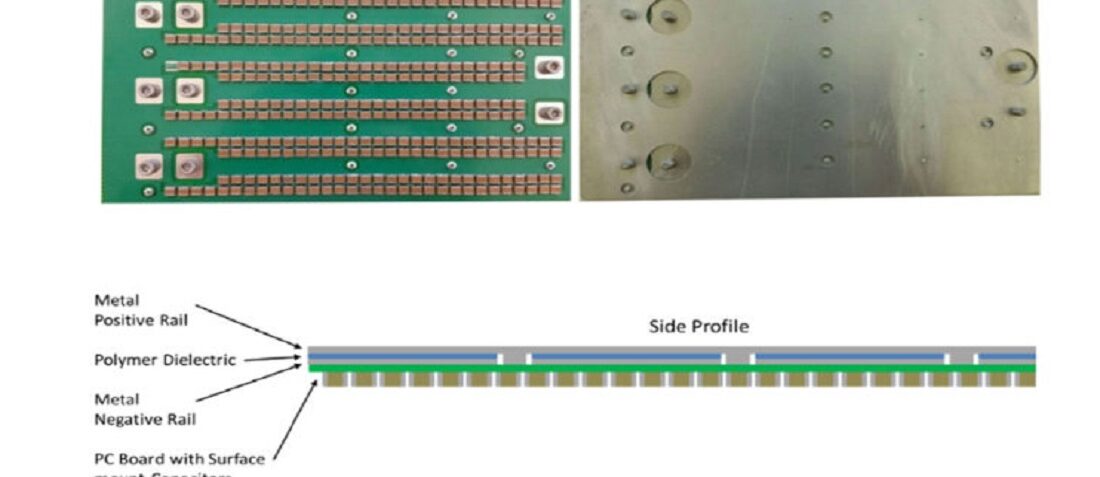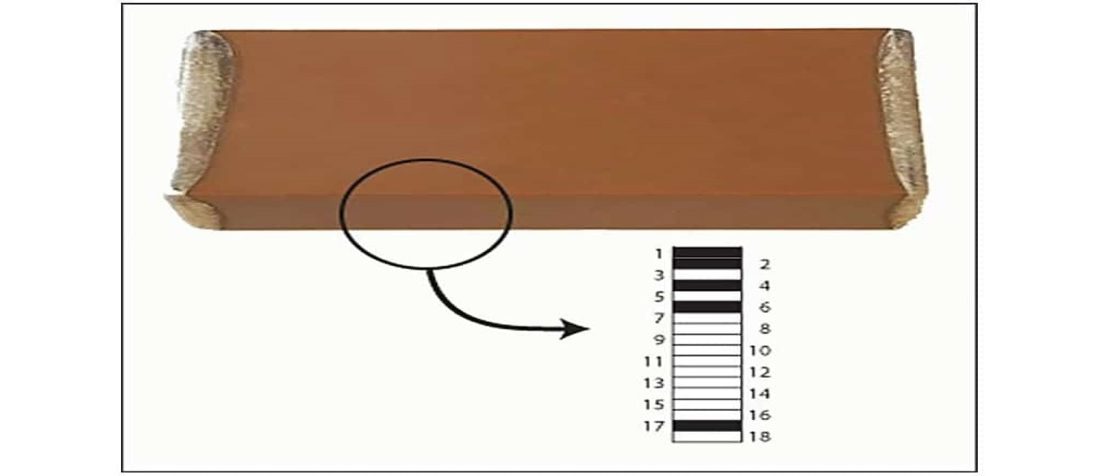
MLCC reliability in space systems is challenged by cracking, often from soldering stress; design and screening help mitigate failures.
Blog >
MLCC reliability in space systems is challenged by cracking, often from soldering stress; design and screening help mitigate failures.
Capacitance behavior of MLCCs under DC and AC bias, highlighting material effects, temperature, and vendor-specific variations.
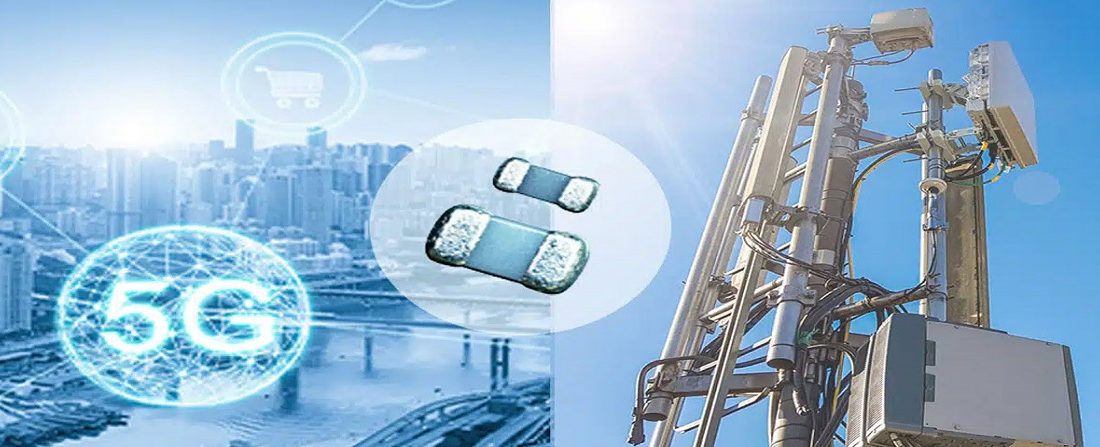
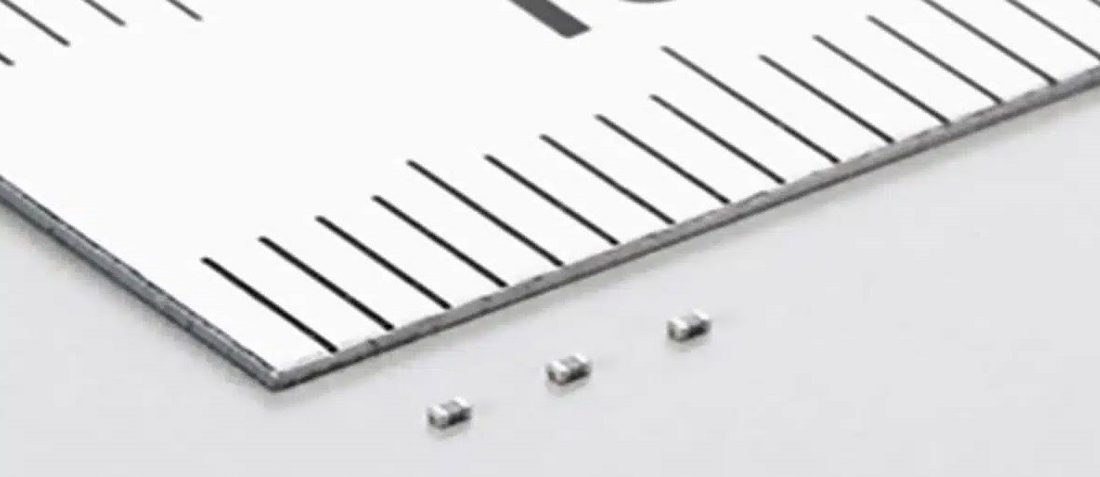
Kyocera developed the industry-leading 008004 Hi-Q MLCC, optimized for improved performance in PA modules.
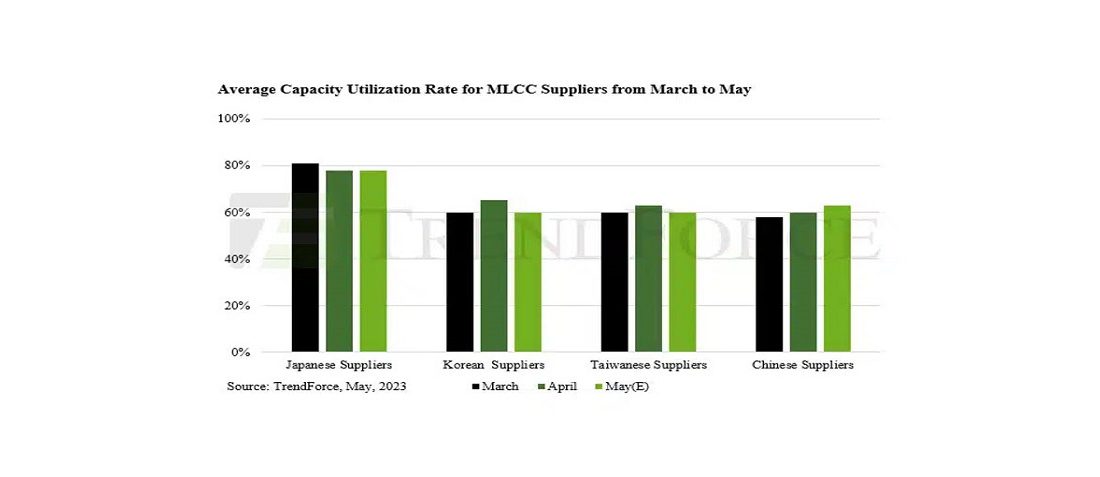
MLCC suppliers reduced production capacity in 1H23 due to weak consumer market demand affecting supply dynamics.
Class II MLCCs face capacitance loss from DC bias and aging, impacting reliability in automotive, medical, and industrial electronics.
The article discusses the application of CSAM in detecting internal defects, such as air gaps and cracks, within high-voltage multilayer ceramic capacitors (MLCCs).
Class 2 ceramic capacitors, such as X7R and Z5U types, feature high dielectric constants and significant temperature and voltage-dependent capacitance changes.
Class 1 capacitors, like NP0/COG types, offer high stability, low losses, and excellent temperature coefficients for precision applications.
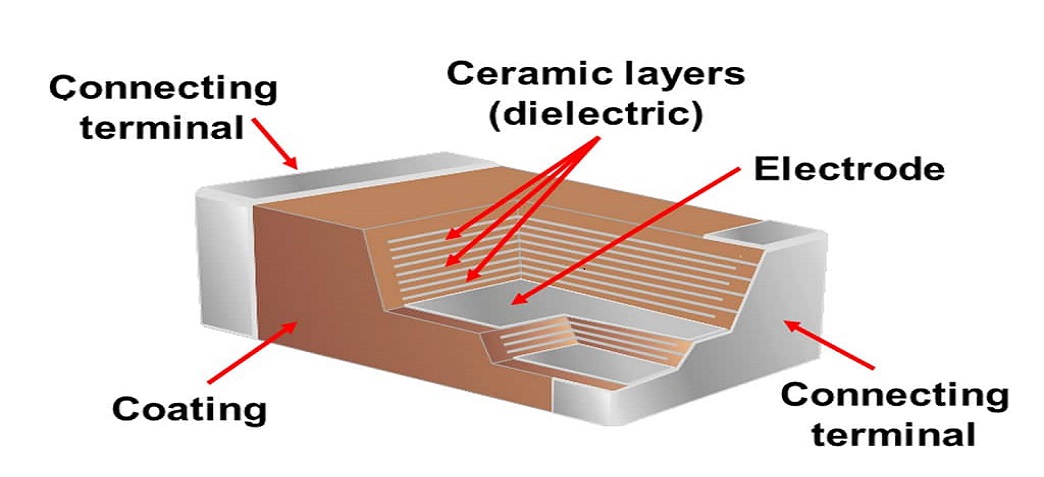
MLCCs (Multilayer Ceramic Capacitors) utilize advanced stacking and electrode technologies, offering high capacitance and compact designs.
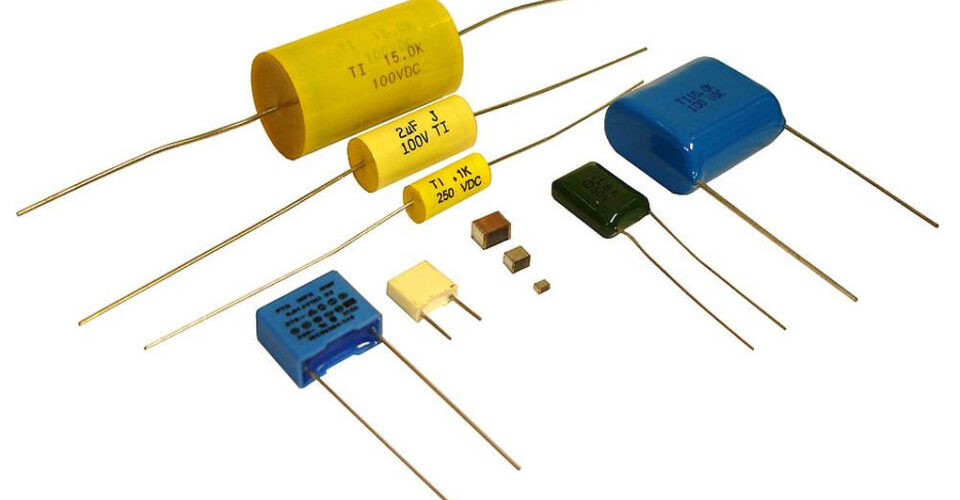
Ceramic capacitors, including SLCC and MLCC types, offer versatile performance across high-frequency and miniaturized applications.