A product assurance plan defines quality, reliability, and component requirements to ensure mission success in New Space projects.
Blog >
A product assurance plan defines quality, reliability, and component requirements to ensure mission success in New Space projects.
New space microelectronics benefit from SAM’s non-destructive defect imaging in complex, high-reliability components.
C-SAM inspection reveals interface anomalies in horizontally stacked capacitors by using high-frequency acoustic imaging.
Thick plastic encapsulated parts require multi-depth confocal imaging to detect delamination, voids, and internal structural defects.
Plastic encapsulated parts pose risks like delamination and voids; SAM detects internal flaws non-destructively with high sensitivity.
COTS parts undergo safe C-SAM inspection using deionized water, limited immersion, and drying to prevent corrosion and damage.
Scanning Acoustic Microscopy enables reliable crack detection in plastic packages, preventing failures in electronic components.
CubeSats face policy gaps, high failure rates, and growing debris concerns, highlighting the need for technical oversight.
This session addresses the challenges in selecting EEE components for cost-effective space missions, particularly those in LEO.
Phase-locked loops (PLLs) synchronize signals and are available in high-reliability, radiation-tolerant versions for space applications.
RTG4 FPGA by Microchip offers high-speed, radiation-tolerant performance for space applications, ensuring reliability in harsh environments.
Microchip’s SA.45s CSAC offers radiation-tolerant, precise timing for LEO applications with low power, compact size, and high stability.
QFN package offers low cost and high performance, but mitigating tin whiskers is crucial for reliability in space applications.
Rakon’s RK105 and RK205 oscillators offer high reliability and radiation tolerance for New Space applications.
Q-Tech’s QT780, QT723, and QT735 series oscillators offer high reliability for LEO applications, built to stringent space standards.
AXTAL offers sourcing and up-screening of quartz crystals for New Space, ensuring high reliability with various screening levels.
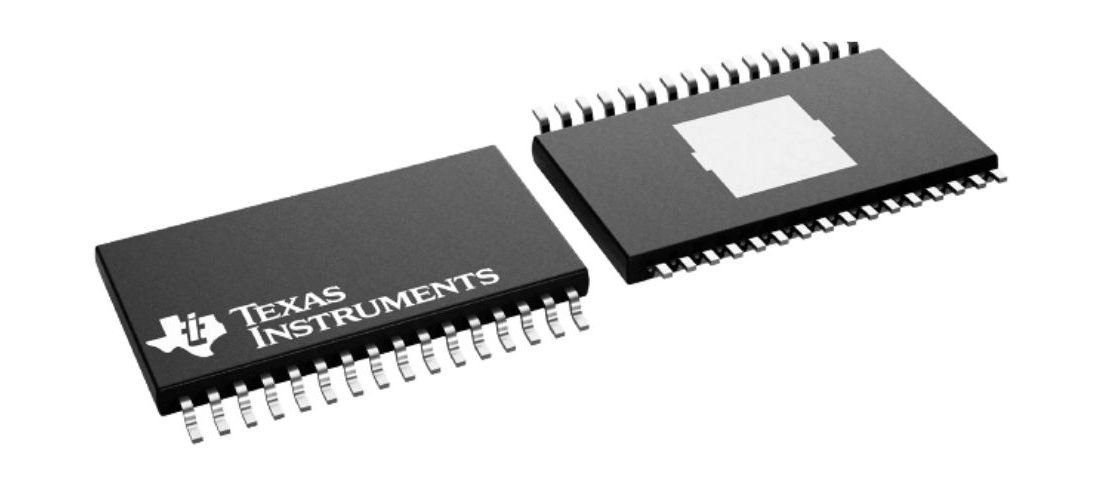
Texas Instruments’ Space Enhanced Plastic (SEP) devices offer radiation-tolerant solutions for New Space applications with enhanced reliability.
Renesas offers radiation-tolerant plastic-package ICs, providing cost-effective solutions for short-duration LEO missions.
Analog Devices offers CSL, CSM, and CSH screening flows to balance cost, reliability, and radiation tolerance for New Space applications.
Microchip offers plastic rad tolerant MCUs, balancing cost, reliability, and radiation resistance for aerospace and New Space applications.
Microchip enhances radiation tolerance in MCUs, ensuring reliability for aerospace applications with improved immunity to space radiation.
EEE componentes play a key role in space power systems, balancing efficiency, voltage regulation, and weight reduction challenges.
We have previously talked about the revolution that the Space business is currently experiencing, with New Space being a key player in it. To adapt...
Alert and obsolescence management ensures early detection of EEE part issues, preventing disruptions in space projects.
High reliability alternative components from Kemet include ceramic and tantalum polymer series, offering enhanced performance for critical applications.
Radiation-tolerant microcontrollers like SAMV71Q21RT and UT32M0R500 offer robust performance for aerospace applications.
Plastic RT PWM controllers offer a cost-effective, radiation-tolerant solution for New Space applications, balancing reliability and efficiency.
Space radiation affects spacecraft electronics, causing degradation and failures. Testing and modeling help predict and mitigate these effects.
ZES provides radiation-hardened solutions like the ZES100 for SEL protection and ZES400 for reliable quad-channel voting in space systems.
QML-38535 lumped element filters ensure reliable performance in high-power, high-temperature, and harsh environments for critical applications.