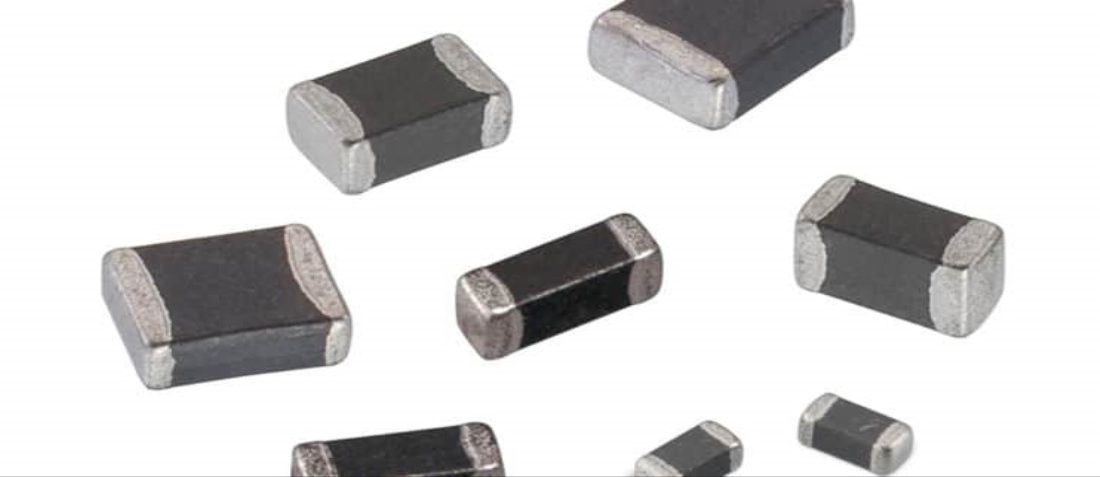
Equivalent circuits model real capacitors and inductors using R, L, and C to represent frequency-dependent behavior and losses.
Blog >
Equivalent circuits model real capacitors and inductors using R, L, and C to represent frequency-dependent behavior and losses.
QML developments and custom magnetics for aerospace by FLUX using ESCC3201/013 are highlighted in this webinar.
Flux is ESA-qualified for custom magnetics under ESCC3201/013, ensuring high reliability for Space applications.
Simulating capacitors helps optimize circuit design by accurately modeling capacitance, ESR, and ESL for improved performance and efficiency.
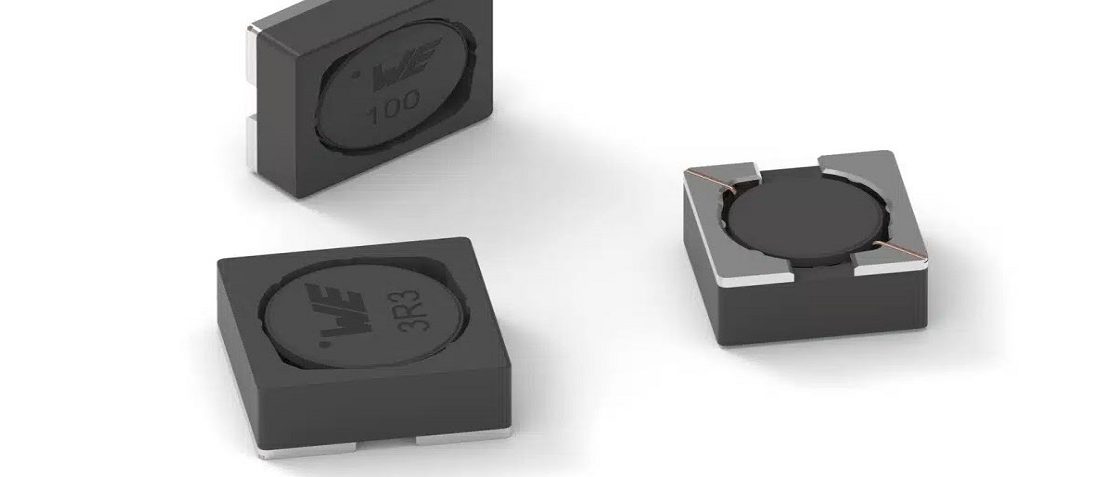
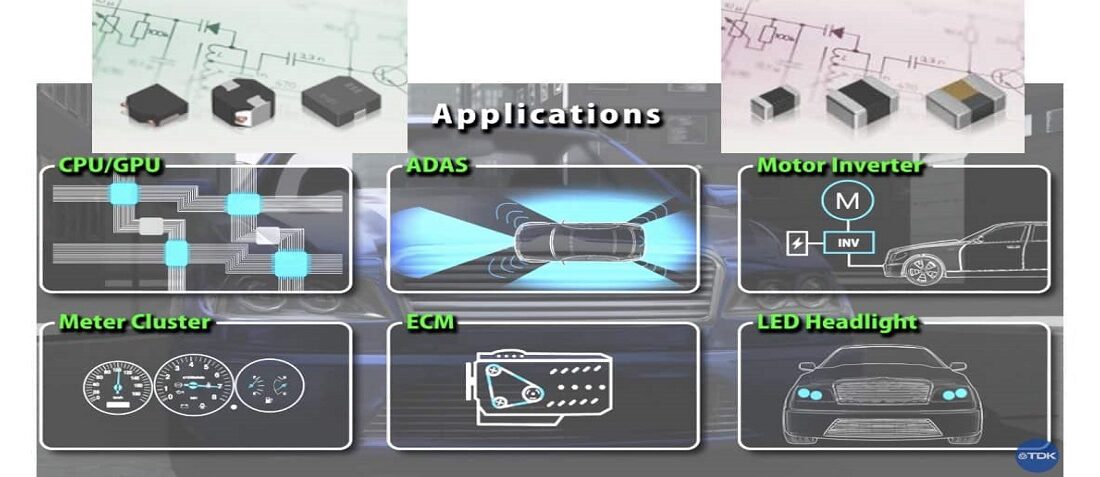
A surface-mount inductor is essential for efficient DC-DC converters, influencing performance, ripple, and EMI in circuit designs.
Permeability of materials affects inductor core performance and losses. Learn how different materials influence efficiency.
SMD high-current inductors offer low DC resistance, high current capability, and thermal robustness for efficient power applications.
Optimize power inductors calculation for storage chokes in switching converters, ensuring energy efficiency and low losses.
An inductor is a passive electronic component that stores energy in a magnetic field when electrical current flows through it.
This article provides an in-depth exploration of these fundamental electromagnetic components: solenoids and transformers, detailing their structures, operating principles, types, and applications.
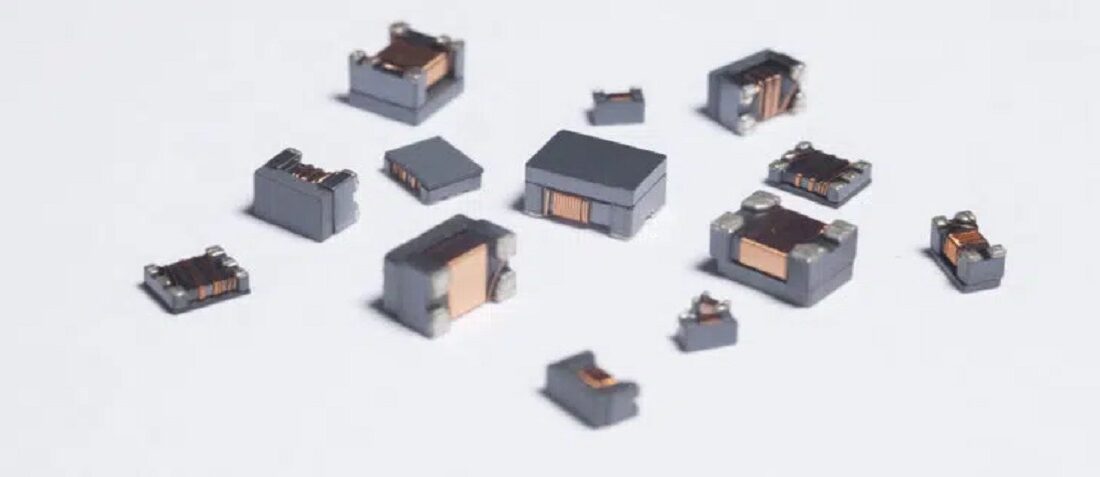
SMD inductors offer miniaturization and efficiency, with multilayer and wire-wound designs ideal for dense, high-performance circuits.
Examine the inductor core, its materials, losses, and factors affecting performance in magnetic field applications.
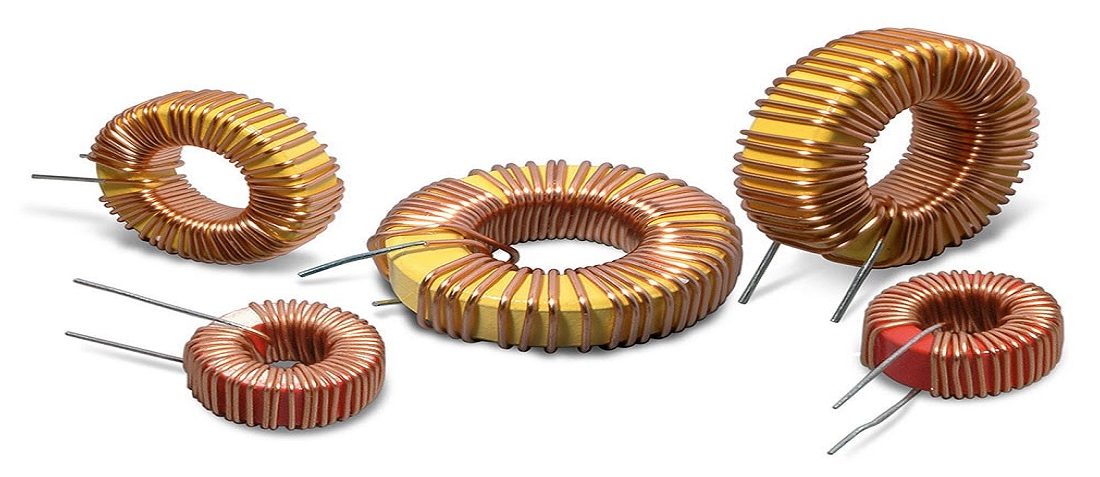
Toroidal power inductors offer low EMI, efficient design, and are essential for switching and DC-DC converters in electronic systems.
This Würth Elektronik webinar explains key power inductor parameters and how they are impacted by different constructions, core materials, and shapes.
Vishay’s edge-wound inductors offer high current, low DCR, and stability up to 180°C for demanding industrial and military applications.
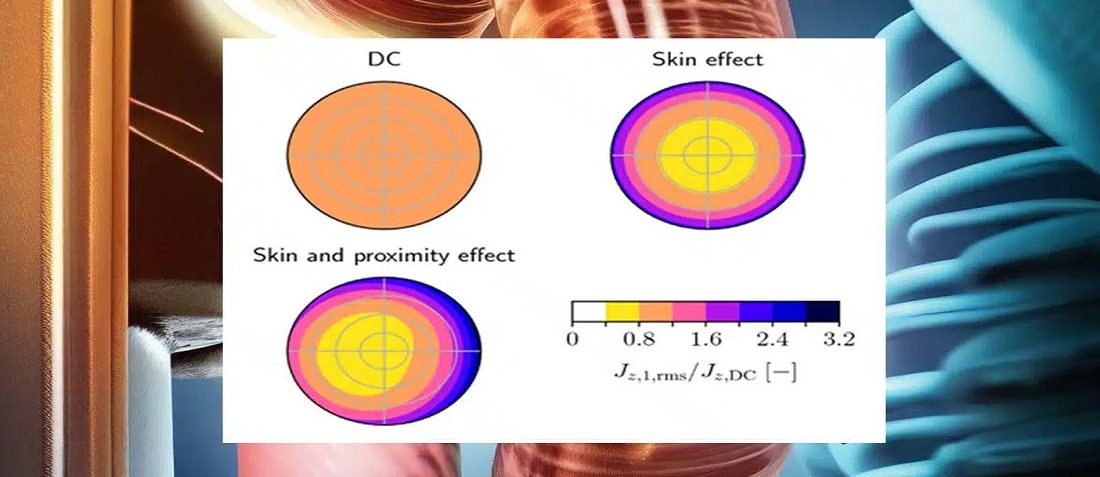
Proximity losses in transformers occur from magnetic interactions between windings, reducing efficiency and needing proper insulation.
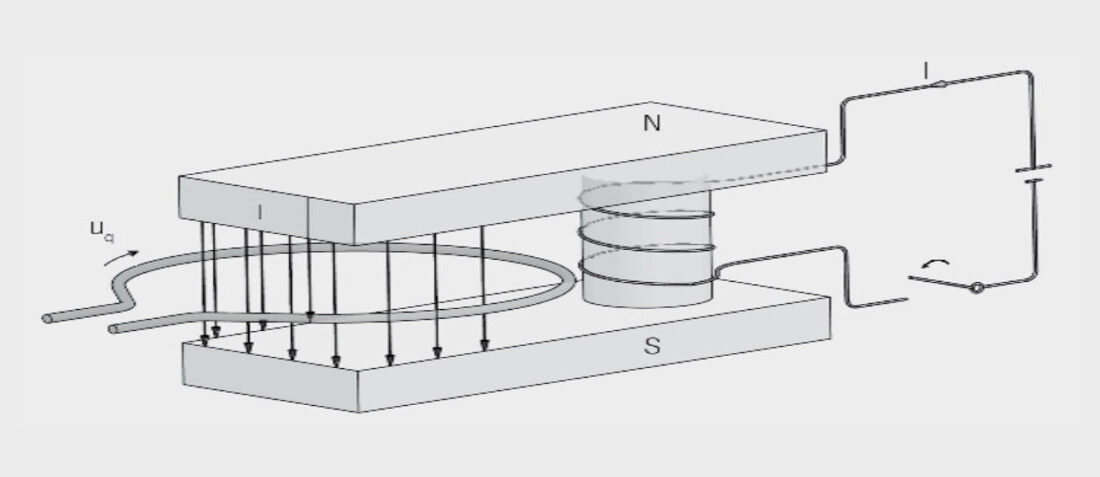
This article provides a detailed overview of fundamental magnetic principles, focusing on magnetic induction, magnetic flux, and Faraday’s law.
Explore magnetism fundamentals, from field lines and Ampere’s Law to ferromagnetic material behavior and magnetic field strength.
Explore inductor behavior, focusing on inductance, impedance, quality factors, and effects like saturation and temperature drift.
Understand the role of magnetism in inductors, their structure, applications, and the physics behind their functionality.
Toroidal inductors, with their closed magnetic circuit, provide high inductance and effective EMI suppression, especially in power and signal filtering.
Filters that utilize one or more inductive elements, such as RF inductors, alongside capacitors, play a critical role in electronic signal...